Tighter Spreads. Faster Execution.
Trade forex, CFDs, indices, metals, commodities, stocks and more.

Best Forex Brokers Review compares and evaluates brokers on regulation, trading platforms, spreads, commission, deposit requirements, products, and customer support.Our forex broker reviews help traders understand the key differences between brokers. But be aware that trading conditions, broker availability and investor protections vary by jurisdiction and legal entity. Always check the conditions that apply to your region.
Forex and CFD trading involves significant risk and may not suit every trader.
Our list of featured forex brokers serves as the basis for comparing factors like regulation, platform, account conditions, and trading costs. Use the table below to get an initial overview. Open each full broker review for detailed information on the relevant legal entity, fees, account conditions, trading platforms, funding options and regional availability. Broker conditions can change, so check the latest verified information before opening an account.
We review forex brokers using a structured format that separates the factual information from subjective promotional claims. We define the operating company or legal entity, check regulations via each official regulator’s registry for applicable licences, and review the accounts they offer, deposit thresholds, and published trading conditions.
We compare the broker’s published spreads, commissions, swaps, other charges that might apply, trading platforms and utilities offered, as well as deposit/withdrawal methods and ways to contact customer service. We review relevant facts monthly during planned content updates, and we document implemented changes.
Each review should identify the named writer, fact-checker or reviewer, relevant author information, last reviewed date and the sources used. We also disclose affiliate relationships and maintain a correction process for material errors.
Our reviews are attributed and include author information, including facts related to it where possible, the last reviewed date, and information about sources. We also disclose details about any affiliate relationships the review includes and include a correction process for material errors.
Where evidence is available, we distinguish between live-account testing, demo-account testing, broker documentation, regulatory databases and information confirmed by customer support. We do not describe a feature as independently tested unless documented evidence supports that statement.

Trade forex, CFDs, indices, metals, commodities, stocks and more.
Review the broker’s available pricing, execution and liquidity.

Access forex, indices, metals, shares, ETFs and other markets.

Compare the available deposit requirements, leverage and platforms.

Research the broker’s platforms, account types and available markets.

Compare spreads, execution, platforms and trading conditions.
A useful broker comparison goes beyond headline ratings. Look at the regulatory entity serving your country, whether the broker accepts clients from your region, and which trading platforms and markets are available to you. Then compare spreads, commissions, swap charges, minimum deposits, account types and funding methods.
Customer support can also matter, particularly when dealing with account verification, deposits, withdrawals or platform issues. A broker with attractive pricing may not be suitable if its available entity, account conditions, or supported payment methods don’t match your requirements.
Our forex broker comparison brings these features together so you can examine important differences side by side rather than relying on a single rating.
Regulation is an important part of broker due diligence, but it does not remove the risks of forex or CFD trading. A broker brand may operate through multiple legal entities, and the regulatory protections available to one client may differ from those available to another depending on country and account entity.
Before opening an account, identify the legal entity that will provide your services and verify its licence through the relevant regulator’s official register. Depending on the jurisdiction, important considerations may include client-money segregation, negative-balance protection, leverage restrictions and compensation arrangements.
Regulators such as the FCA, ASIC, CySEC, and FSCA operate under different frameworks, so a regulatory name alone is not enough. An offshore registration does not automatically mean that the same level of financial regulation or investor protection applies.
Research trusted and regulated forex brokers and verify the entity available in your jurisdiction →
The trading platform you use can influence how you analyse markets, place orders and manage positions. MetaTrader 4 remains widely used for forex trading, while MetaTrader 5 adds broader market functionality and additional order and analytical features. cTrader is another platform some brokers use, particularly for traders who prefer its interface and execution-focused tools.
Some brokers also offer proprietary desktop or web platforms, mobile applications, copy-trading functionality or tools designed for automated trading. The right platform depends on the instruments you trade, your preferred strategy, the level of automation you require and how comfortable you are with the software.
Before choosing a broker, check which platform the entity serving your country offers and whether the account you want supports the features you need.
Your location can materially affect which forex brokers you can use and what conditions are available. Brokers may restrict clients in certain countries, while the applicable legal entity can determine leverage limits, regulatory protections, payment methods, account currencies, compensation arrangements and available financial instruments.
The same broker brand may therefore provide different services in different markets. Before opening an account, confirm that the broker accepts clients from your country and identify the entity responsible for your account.
Use our country directory to research providers serving different jurisdictions and compare the conditions that may apply to local traders.
Forex brokers may offer several account structures, and providers don’t always use the same names. A standard account generally combines trading costs into the broker’s quoted spread structure, while raw-spread accounts may offer tighter spreads with a separate commission.
Commission-free accounts may simplify cost calculations, but the spread remains an important trading cost. Demo accounts allow traders to practise without using real funds. Micro and cent accounts may use smaller trading units, while Islamic accounts are structured around specific swap requirements.
Some brokers also offer MAM or PAMM accounts for particular money-management arrangements. Because account names and conditions vary, compare the actual spreads, commissions, minimums, eligible instruments and restrictions rather than judging an account by its name alone.
Base your broker choice on the conditions that apply to your account and jurisdiction, not star ratings or promotional headlines. Use the following checklist before opening an account:
01. Verify the legal entity and licence.
Confirm the company providing your services and check its authorisation through the relevant regulator.
02. Confirm country availability.
Make sure the broker accepts clients from your country and that the intended account is available to you.
03. Calculate the full trading cost.
Compare spreads, commissions, swaps and currency-conversion charges rather than looking only at the advertised spread.
04. Check deposits and withdrawals.
Review minimum deposits, available payment methods, withdrawal requirements and any applicable fees.
05. Compare platforms and instruments.
Make sure the broker supports the software, markets and order functionality required for your trading approach.
06. Review fund protections.
Check client-money arrangements and whether negative-balance protection applies to your account.
07. Test the platform.
Use a demo account, where available, to assess usability, order entry, and platform features.
08. Read the terms and risk disclosure.
Review the broker’s account agreement, costs, restrictions and risk warnings before committing funds.

Trade forex, CFDs, indices, metals, commodities, stocks and more.

Review the broker’s available pricing, execution and liquidity.
Access forex, indices, metals, shares, ETFs and other markets.
Compare the available deposit requirements, leverage and platforms.
Research the broker’s platforms, account types and available markets.
Compare spreads, execution, platforms and trading conditions.
Forex trading becomes easier to understand when the basic terminology is clear. Currency pairs show the relative value of one currency against another. A pip is a commonly used unit for measuring price movement, while the spread represents the difference between a broker’s bid and ask price.
Margin is the amount required to support an open leveraged position, and leverage can increase both potential gains and potential losses. Traders should also understand common order types, including market, limit and stop orders.
A demo account lets you practise using the platform and placing orders before trading with real funds. Risk management is equally important: position sizing, stop-loss planning and understanding the possibility of losing capital should form part of any trading approach.


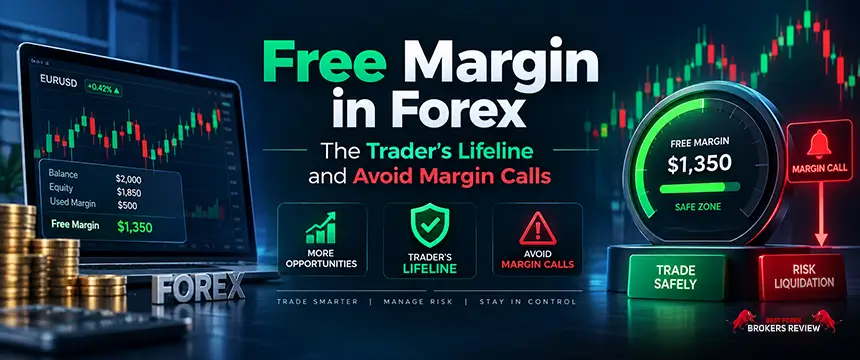
The free margin is the safety net for every trader’s life. This marks an …

The broker you choose is a big step for every trader’s life. This marks …
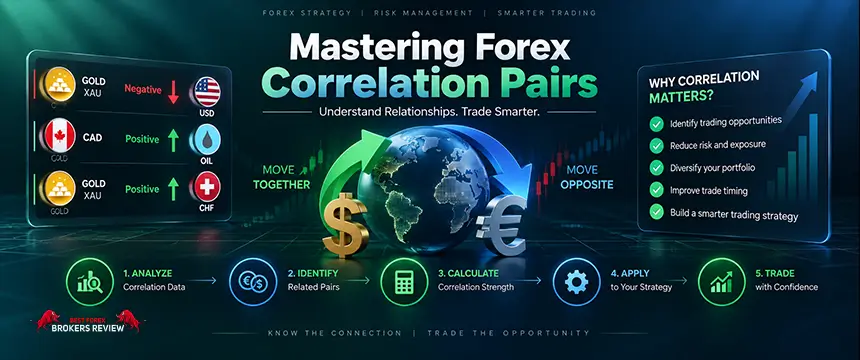
Forex correlations are the secret weapon for every trader’s success. This shows how currency …
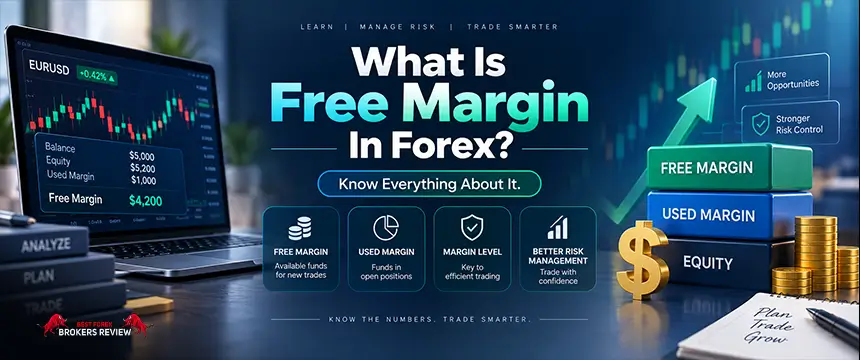
Nearly everyone may trade forex nowadays with the use of margin and leverage. Margin …
Forex history goes as long ago as the Babylonian period. During that time, people …
Measured Moves Trading – The Gateway To Your Success In trading, measured moves provide …

A useful forex broker review should cover the legal entity and regulation, account types, minimum deposit, spreads, commissions, swaps, available platforms, markets, funding and withdrawal options, customer support and relevant regional restrictions. It should also identify when information was last checked and distinguish verified facts from opinion.
Start by identifying the legal entity that will provide your trading account. Then search the relevant financial regulator’s official register and confirm that the licence status and permissions match the services offered. Do not rely solely on the regulator logos displayed on a broker’s website.
No. Regulation provides a supervision framework and may offer specific protections, but it does not eliminate trading risk. Forex and CFDs are leveraged products, and losses can occur. The protections available to clients depend on the legal entity, jurisdiction, account type and applicable regulatory rules.
Brokers can earn revenue through spreads, commissions, financing or swap charges and other fees, depending on the account and business model. Some brokers may also earn from other services or arrangements. The exact cost structure varies, so traders should review the broker’s published pricing and account terms.
The spread is the difference between a broker’s bid and ask price. A commission is a separate charge applied to certain account types or transactions. Some brokers offer wider spreads without a separate commission, while raw-spread accounts may combine tighter spreads with a commission. Compare the total trading cost.
There is no universal minimum deposit. Requirements vary by broker, legal entity and account type. Some accounts can be opened with a relatively small initial amount, while others require more. A low minimum deposit does not necessarily mean lower overall trading costs, so compare spreads, commissions and other charges as well.
Yes. A broker may operate through different legal entities in different markets. That can affect regulation, leverage, available instruments, account currencies, payment methods, compensation arrangements and other protections. Always confirm the entity available in your country rather than assuming that conditions advertised elsewhere apply to your account.
No single platform suits every beginner. MT4, MT5, cTrader and proprietary platforms can all be suitable depending on the broker and the trader’s needs. Beginners should prioritise a clear interface, reliable order execution, accessible educational resources and demo access so they can practise before risking real funds.